Gradient Circle Watercolor Clipart Review
As a designer who has spent years translating digital art into tangible thread, I approach every new asset with a critical eye. When I first opened the file for Gradient Circle Watercolor Clipart, my immediate reaction was one of cautious optimism. The visual aesthetic is undeniably soft and inviting, capturing that trendy watercolor wash effect that has become so popular in modern home decor and apparel. However, the real test lies not in how it looks on a screen, but in how it translates to a hoop. This review breaks down exactly how this design performs when you move from the digital realm to the physical stitch.
The First Impression: Mood and Visual Personality
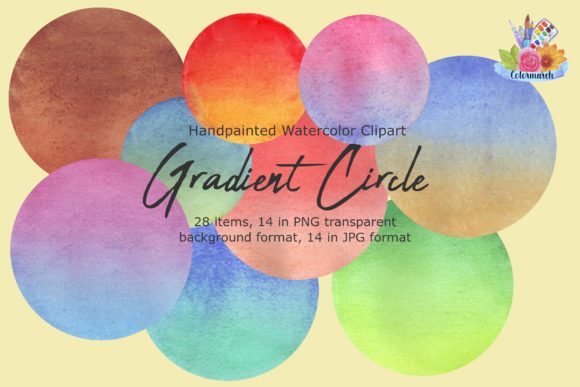
The Gradient Circle Watercolor Clipart belongs firmly within the category of Illustrations designed to evoke calmness and organic flow. The circular shape is inherently balanced, making it a versatile anchor for various compositions. The gradient transitions suggest depth without heavy detailing, which is a double-edged sword in embroidery. On one hand, it avoids the clutter that often plagues complex designs; on the other, it relies heavily on color blending techniques to achieve its signature look. For a handmade product line, this mood is perfect for creating items that feel artisanal and gentle rather than industrial or loud.
When I visualize this as a machine embroidery design, I see potential for high-end nursery decor, boutique tote bags, and personalized gifts. The lack of hard edges allows the design to sit softly on fabric, mimicking the bleed of actual paint. This makes it an excellent candidate for projects where texture and softness are paramount, such as baby blankets or linen pillow covers.
Real-World Application: From File to Fabric
Let’s talk about a specific scenario. Imagine you are preparing a custom embroidered sweatshirt for a local craft fair. You want something that stands out against a heather grey fleece but doesn’t overpower the garment. Using Gradient Circle Watercolor Clipart here offers a sophisticated alternative to bold logos. By placing the circle slightly off-center on the chest, you create a focal point that feels curated rather than mass-produced.
In this context, the design acts as a statement piece. The key to success lies in how you handle the gradients. Since standard embroidery machines cannot blend colors like a printer, you must rely on strategic fill stitch placement and varying thread colors to simulate the watercolor effect. If you select a palette of three to five analogous shades and layer them carefully, the finished product will retain that dreamy, artistic quality. Customers looking for custom apparel with a unique touch often gravitate toward these softer, painterly aesthetics because they feel more personal than standard vector graphics.
This design also shines when used for embroidered patches. A circular patch featuring this clipart can be sewn onto denim jackets, canvas aprons, or even backpacks. The round shape prevents fraying issues common with sharp corners, and the watercolor style adds a whimsical flair that appeals to younger demographics and creative entrepreneurs alike. For an Etsy seller, this could be the centerpiece of a "boho-chic" collection, driving engagement through its distinct visual personality.
Navigating Challenges: Where Caution is Needed
While the aesthetic appeal is high, there are practical limitations to consider before committing to a production run. The gradient nature of Gradient Circle Watercolor Clipart means that stitch density becomes a critical factor. If the density is too low, the color transitions will look patchy and unfinished. If it is too high, the fabric may pucker, especially on lightweight materials like tea towels or thin cotton tees.
I strongly advise against using this design on highly textured fabrics or stretchy knits without extensive testing. The intricate color shifts can get lost in the weave of a heavy canvas or distort on a stretchy jersey if the wrong stabilizer is used. Additionally, while the design works beautifully on light backgrounds, attempting it on dark fabric requires significant adjustments. The subtle pastels typical of watercolor art may disappear entirely against black or navy unless you use a bright underlay or switch to a high-contrast color scheme entirely.
Another area requiring careful thought is the hoop size. Although the circle itself might appear small, achieving a smooth gradient often requires a larger area to allow the stitches to breathe and blend. Trying to force this design into a tiny 4x4 inch hoop might result in a muddy mess where individual thread colors clash rather than harmonize. Always check the maximum dimensions recommended by the file creator to ensure your machine can accommodate the necessary spacing.
Practical Designer Notes for Success
- Test on Scrap Fabric: Never skip this step. Run a test of the digital embroidery file on the exact fabric you plan to sell. Check for puckering and color accuracy.
- Review Color Contrast: Ensure the gradient shades are distinct enough to be seen once stitched. Sometimes what looks good on a monitor gets lost in thread texture.
- Inspect Small Details: Zoom in on the preview to see if any fine lines are represented by single running stitches, which might break easily during washing.
- Check Licensing: Before selling finished products or offering this as a commercial embroidery asset, confirm the license terms. Some files restrict the number of items you can produce.
- Mockup Variations: Create both light and dark background mockups to show customers how the design adapts. Use a printable mockup tool to visualize the final result.
- Stabilizer Selection: For holiday embroidery or gift items that need to last, use a cut-away stabilizer to support the weight of the fill stitches over time.
Impact on Brand and Customer Perception
Ultimately, the decision to use Gradient Circle Watercolor Clipart affects your brand's perception. In a market saturated with rigid geometric shapes and bold typography, this design offers a breath of fresh air. It signals to the customer that you value artistry and attention to detail. Whether you are creating a personalized gift for a wedding or stocking a small shop product line for the holiday season, this asset elevates the perceived value of the item.
Customers trust handmade goods that look professional yet unique. When they see a sweatshirt with a well-executed watercolor circle, they perceive it as a limited edition piece rather than a generic print. This builds customer trust and encourages repeat business. Furthermore, the versatility of the design allows for cross-promotion across different product categories, from baby embroidery to home textiles, helping you maintain brand consistency while expanding your catalog.
In conclusion, Gradient Circle Watercolor Clipart is a powerful tool for the savvy embroiderer willing to put in the technical work. It is not a "load and go" design for beginners, but for those who understand stitch mechanics and color theory, it offers a premium look that can set your craft business apart. By respecting the limitations of the medium and leveraging the strengths of the illustration, you can create design assets that translate beautifully from screen to stitch.