Beagle Watercolor, Rustic Clipart: A Designer Review
As someone who has spent years navigating the delicate balance between digital art and physical thread, I approach every new machine embroidery design with a critical eye. The market is flooded with generic clipart that looks great on a screen but falls apart under the needle. When I first opened the file for Beagle Watercolor, Rustic, Clipart, my immediate goal was to determine if this illustration could survive the transition from pixel to stitch. Does it hold up as a standalone piece, or does it need heavy modification? For small business owners and Etsy sellers looking to expand their catalog with rustic-themed goods, the answer lies in how well the design translates to fabric.
First Impressions: Mood and Visual Personality
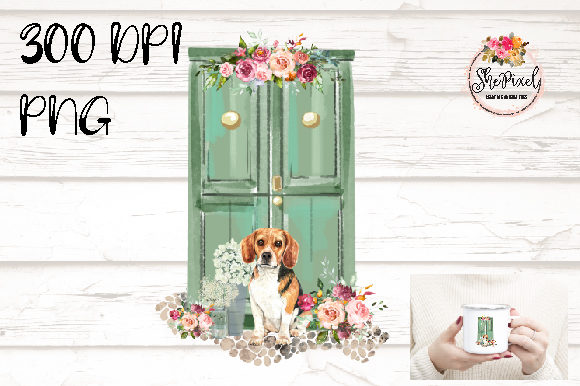
The aesthetic of Beagle Watercolor, Rustic, Clipart is immediately distinct. It leans heavily into the cozy, earthy vibe that defines the current trend in handmade home decor and custom apparel. The watercolor effect is not just a texture; it dictates the entire stitching strategy. Unlike sharp vector lines that demand precision satin stitches, this design relies on soft edges and blended tones. This makes it an excellent candidate for creating a warm, inviting feel on items like nursery blankets, kitchen tea towels, or personalized tote bags.
From a design perspective, the layout feels balanced without being rigid. The beagle's pose is relaxed, which suits the "rustic" theme perfectly. However, the challenge with any watercolor-style Illustrations is maintaining definition once the thread hits the fabric. If the stitch density is too low, the image will look muddy. If it is too high, you lose that delicate, painted look. My initial assessment is that this design requires a skilled hand to adjust the fill stitch settings to mimic the bleed of watercolor paint without overwhelming the fabric.
Real-World Application: From File to Finished Product
To truly test the viability of Beagle Watercolor, Rustic, Clipart, I visualized a specific project: a custom embroidered sweatshirt for a local boutique. Imagine a heavyweight, heather-grey cotton blend. The softness of the watercolor style would contrast beautifully against the textured fabric, giving the garment a high-end, artisanal look rather than a mass-produced appearance. In this scenario, the design works exceptionally well as a chest pocket placement or a centered back print.
I also considered its potential as an embroidered patch. Because the shape is organic and the colors are likely muted earth tones, it would make a charming accessory for denim jackets or canvas backpacks. For crafters focusing on baby items, this design is particularly strong. A baby embroidery project featuring this beagle on a onesie or a receiving blanket taps directly into the popular "farmhouse chic" aesthetic that parents love. The gentle nature of the beagle combined with the soft watercolor wash creates a product that feels safe, cuddly, and timeless.
For the Etsy seller or small shop product creator, the versatility is key. You can use this single digital embroidery file across multiple product lines. Picture it on a holiday gift set—perhaps stitched onto a linen pillow cover paired with a matching apron. The rustic theme fits seamlessly into autumn and winter collections, making it a valuable asset for seasonal inventory planning. The design assets here are flexible enough to be scaled slightly for different applications without losing their core identity, provided you respect the limits of your machine.
Navigating Challenges: Where Caution Is Required
While Beagle Watercolor, Rustic, Clipart is promising, it is not without its pitfalls. The primary concern with watercolor styles is the handling of stitch density. On thin fabrics like chiffon or lightweight t-shirts, the dense areas required to build color depth can cause puckering. If you plan to use this on custom apparel made of stretchy material, you must use a high-quality stabilizer. Without proper support, the tension from the fill stitches can distort the fabric, ruining the soft aesthetic you are trying to achieve.
Another area requiring attention is the hoop size. While the design might appear compact, the intricate blending of colors often requires larger hoop dimensions to accommodate the necessary color changes and thread trimming. Attempting to force this design into a very small 4x4 inch hoop might result in awkward jumps or insufficient space for the background shading. Additionally, if you are working with dark fabrics, the lighter tones in the watercolor effect may get lost. You would likely need to add a white underlay or consider using a light-colored backing to ensure the thread colors pop as intended.
Textured fabrics also present a unique challenge. On a thick wool sweater or a napped fleece, the fine details of the beagle's face might get obscured by the fabric pile. In these cases, simplifying the design or increasing the stitch length slightly can help maintain clarity. Always remember that what looks crisp on a computer monitor will behave differently on a looped knit surface.
Practical Notes for Professional Execution
Before committing this design to a client order or a batch of inventory, there are several steps every professional should take. First, always test the design on scrap fabric that matches your final product. Check the thread color contrast and review the stitch density specifically in the areas where the watercolor gradients occur. Inspect small details closely; sometimes, tiny running stitches used for outlines can break easily if the tension is off.
Second, test it in black and white mockups before printing or stitching. This helps you see the value structure of the design without the distraction of color. Compare how it looks on both light and dark fabric backgrounds to ensure visibility. Third, confirm your licensing terms. As a commercial embroidery designer, you must verify that you are allowed to sell finished products containing Beagle Watercolor, Rustic, Clipart. Some licenses restrict the number of items you can produce or prohibit selling the embroidery file itself.
Finally, consider the long-term durability. Products that need frequent washing, like kitchen towels or everyday tees, require robust stitching. Ensure that the design does not have excessive floating threads that could snag during laundering. By taking these precautions, you ensure that your finished product maintains its quality and visual appeal over time.
Impact on Brand and Customer Trust
Ultimately, the decision to use Beagle Watercolor, Rustic, Clipart comes down to brand alignment. This design exudes a sense of care and craftsmanship. When a customer receives a personalized gift or a handmade product featuring this level of detail, it reinforces the value of your work. It signals that you do not simply slap a logo on a shirt; you curate designs that fit a lifestyle.
For creative entrepreneurs building a reputation on platforms like Etsy, consistency is vital. Using cohesive design assets like this one helps establish a recognizable brand identity. The rustic, watercolor style appeals to a specific demographic that values authenticity and warmth. By choosing designs that resonate emotionally, you increase buyer engagement and the likelihood of repeat customers. Whether you are creating a sweatshirt embroidery for a local event or a tote bag design for a boutique, this clipart offers a professional touch that elevates the entire collection.
In conclusion, Beagle Watercolor, Rustic, Clipart is a strong contender for designers willing to put in the technical work to honor its artistic style. It is not a plug-and-play solution for every situation, but with the right fabric, stabilizer, and stitch adjustments, it can become a standout feature in your portfolio. Treat it with the respect it deserves, and it will deliver beautiful results that your customers will cherish.