Succulent Watercolor Flowers: A Designer Review
As a designer who has spent years navigating the gap between digital art and physical thread, I approach every new machine embroidery design with a specific set of questions. Will it stitch out cleanly? Does it translate well from a screen to fabric? And most importantly, will my customers actually want to buy the finished product? When I first opened the file for Succulent Watercolor Flowers, I was immediately drawn to its soft, organic aesthetic. This is not a rigid, geometric pattern; it belongs firmly in the Illustrations category, capturing that delicate, hand-painted vibe that is so popular in modern home decor and boutique apparel.
The First Impression: Mood and Visual Personality
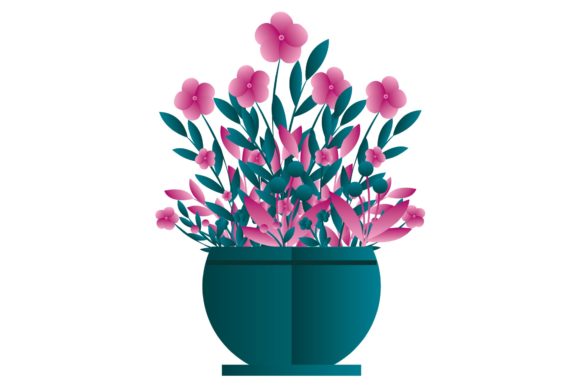
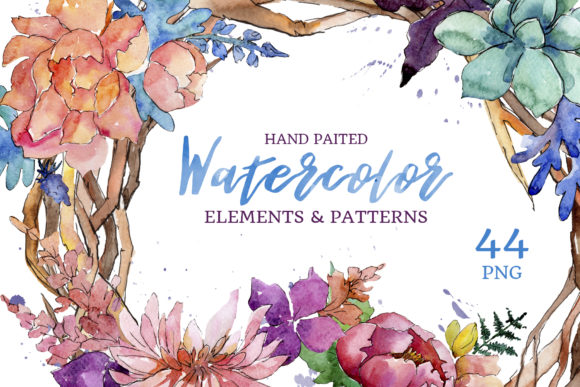
The immediate appeal of Succulent Watercolor Flowers lies in its ability to mimic the fluidity of watercolor paint using thread. In the digital preview, the gradients look seamless, suggesting a blend of pastel greens, dusty pinks, and soft teals. For an Etsy seller or a small shop owner, this kind of visual personality is gold. It signals "handmade" and "artisanal" without requiring hours of hand-stitching. The layout feels balanced but asymmetrical, which gives it a natural, garden-fresh look rather than a manufactured one. However, as someone who knows how machines interpret these files, I know that achieving that watercolor effect on fabric requires careful attention to stitch density and thread selection.
A Real-World Test: The Custom Tote Bag Scenario
To truly evaluate this design, I imagined a specific project: creating a line of eco-friendly canvas tote bags for a local botanical gift shop. The goal was to produce a tote bag design that felt premium yet accessible. I loaded the embroidery file onto my machine, selecting a medium-weight stabilizer to ensure the canvas didn't pucker. As the needle began to dance, bringing the succulents to life, I watched closely at the edges where the colors blended.
The result was promising. The fill stitch worked beautifully to create the soft body of the leaves, while the satin stitch added definition to the stems. On the heavy cotton canvas, the design popped with just enough texture to feel tactile. If I were selling these as a small shop product, I could see them flying off the shelves during spring and summer. Customers looking for a personalized gift for a plant lover would likely appreciate the gentle, non-aggressive color palette. It transforms a simple utility item into a piece of wearable art.
Where the Design Shines: Apparel and Home Goods
Beyond tote bags, Succulent Watercolor Flowers offers versatility across several categories. For custom apparel, particularly sweatshirts, this design excels. The softness of the illustration complements the fleece texture of a hoodie or crewneck perfectly. Imagine placing this motif on the chest of a cream-colored sweatshirt; it creates a cozy, bohemian aesthetic that appeals to a wide demographic.
In the realm of home goods, the potential is equally high. A pillow cover featuring this design adds a splash of nature-inspired color to a neutral living room. Similarly, it works wonderfully on kitchen towels or aprons, bringing a touch of whimsy to functional items. For parents, this could be a fantastic choice for baby embroidery, perhaps on a onesie or a nursery blanket, provided the stitching is secure and free of sharp points. The gentle curves of the succulents make it safe and visually soothing for children's items.
Strategic Use for Craft Businesses
- Holiday Embroidery: While not overtly seasonal, the green tones work well for Christmas stockings or Easter decorations when paired with the right accents.
- Embroidered Patch: Creating a series of patches from this design allows crafters to sell them individually or as part of a kit for DIY enthusiasts.
- Digital Product Previews: Even if you are selling the digital file itself, using this design in your printable mockup assets can attract buyers looking for nature-themed projects.
Critical Considerations: Where Caution Is Needed
Despite its beauty, Succulent Watercolor Flowers is not a "set it and forget it" design. There are specific scenarios where this digital embroidery file requires extra care to avoid frustration or poor results. One major concern is the use of thin fabric. Because watercolor effects often rely on overlapping layers of thread to achieve depth, thin materials like silk or lightweight rayon may pucker or become distorted under the weight of the stitches.
Another challenge arises with textured fabrics. If you attempt to embroider this on a highly napped fabric like thick terry cloth or a rough wool blend, the fine details of the petals might get lost in the pile. The subtle gradients that define the "watercolor" look need a relatively smooth surface to shine. Additionally, working on curved surfaces like caps can be tricky. The organic shapes of the flowers might warp if the hoop size is not adjusted correctly to accommodate the curve of the hat panel.
For those considering commercial embroidery on dark fabrics, be aware that the light pastel threads used in the original design may require significant underlay or a white backing to appear vibrant. Without proper contrast, the delicate hues can disappear against a black background. Always test the design on scrap fabric first, especially if you plan to use it on stretchy materials where the tension needs to be carefully managed.
Practical Notes for the Professional Maker
If you decide to incorporate Succulent Watercolor Flowers into your business, here are a few essential steps to ensure professional results:
- Test Stitch Density: Run a test on a similar fabric to your final project. Check if the fill stitches are too tight, which can cause puckering, or too loose, which leaves gaps.
- Verify Hoop Size: Ensure your hoop is large enough to capture the entire design without cutting off the trailing leaves or stems.
- Color Matching: Don't rely solely on the default thread colors. Adjust the thread colors to match your specific fabric batch for a cohesive look.
- Licensing Check: Before selling any finished product or the embroidery file itself, confirm the licensing terms. Some designs are restricted to personal use only, while others allow for commercial sales up to a certain quantity.
- Stabilizer Selection: Use a tear-away or cut-away stabilizer appropriate for your fabric weight to support the intricate details of the succulents.
Final Verdict: Value and Versatility
In the competitive world of handmade goods, standing out often comes down to the quality of your design assets. Succulent Watercolor Flowers delivers a strong visual impact that resonates with current trends in handmade product creation. It bridges the gap between digital precision and artistic expression, offering a versatile option for everything from apparel decorators to hobbyists making gifts for friends.
While it demands attention to detail regarding fabric choice and stabilizer use, the payoff is a polished, professional-looking item that customers will love. Whether you are building a brand around nature-inspired decor or simply adding a unique touch to your next craft fair display, this design has the potential to elevate your work. Just remember to treat it with the care it deserves, test thoroughly, and let the thread do the talking. With the right execution, Succulent Watercolor Flowers can become a staple in your collection of go-to design assets.