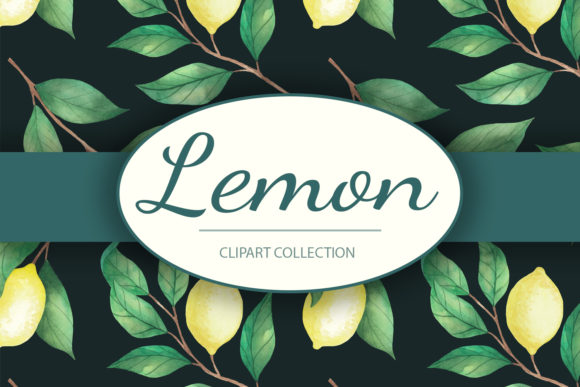
Lemon Watercolor Clipart & Illustrations
As a digital publisher who has spent over a decade refining the visual language of content websites, I know that the difference between a casual blog and a trusted authority often comes down to a single element: the quality of your graphic design assets. When I first encountered Lemon Watercolor Clipart, I was immediately struck by its potential to elevate editorial design without overwhelming the reader. In the crowded landscape of web design, where attention spans are fleeting, a fresh, organic aesthetic can stop the scroll. This specific set of illustrations feels inherently lifestyle-focused, playful, and refreshingly modern, making it an ideal candidate for niches ranging from wellness and food blogging to seasonal home decor and creative entrepreneurship.
The Editorial Mood and First Impressions
Visual communication is about more than just decoration; it is about setting a tone before a single word is read. Lemon Watercolor Clipart exudes a sense of lightness and clarity. The soft, blended edges typical of watercolor styles create an approachable and feminine vibe, yet when paired with strong typography, they maintain a level of professional polish. For a blogger preparing featured images or a small business owner building brand identity, this asset offers a departure from the sterile, vector-heavy graphics that dominate many corporate sites. It introduces texture and warmth, fostering a stronger emotional connection with the audience. Whether you are designing a newsletter banner or a social media post, this style suggests authenticity and care, which are crucial for building reader trust in the digital age.
Real-World Publishing Workflows
Let's talk about how this asset integrates into a real publishing workflow. Imagine you are launching a new series on healthy living recipes. You need hero images that pop, Pinterest pins that drive traffic, and category thumbnails that look cohesive. Lemon Watercolor Clipart serves as the perfect anchor for these visuals. I have used similar design assets to create article headers that guide the eye naturally through the content hierarchy. By placing a vibrant lemon illustration beside a bold headline, you create immediate visual interest that improves click-through potential.
Beyond the blog itself, these illustrations are incredibly versatile for content marketing strategies. They work beautifully as accents in Canva templates for digital guides, lead magnets, and downloadable printables. If you are creating an eBook cover or a worksheet for your email list, the organic feel of the watercolor style makes the digital download feel tangible and valuable. Furthermore, for affiliate marketers, using high-quality custom graphics instead of generic stock photos can significantly improve conversion rates. A unique Pinterest pin featuring Lemon Watercolor Clipart stands out in a feed saturated with flat, repetitive designs, signaling to the user that the linked content is original and curated.
Enhancing Visual Hierarchy and Brand Consistency
One of the most critical aspects of web design is maintaining a consistent visual identity. Lemon Watercolor Clipart provides a flexible toolkit for achieving this across various platforms. When used consistently across website headers, social media graphics, and even media kits, these illustrations help establish a recognizable brand signature. This consistency reinforces brand identity, making your content instantly identifiable whether a reader encounters it on Instagram, in their inbox, or on your homepage.
The asset also supports better visual hierarchy within long-form content. By breaking up walls of text with relevant, high-quality clipart, you make the reading experience less daunting and more engaging. This is particularly effective for online educators and content creators who need to explain complex concepts in a digestible format. The playful nature of the lemons adds a decorative touch that keeps the layout feeling fresh and dynamic, preventing the site from looking stale or outdated.
Strategic Placement and Usage Guidelines
While the versatility of Lemon Watercolor Clipart is impressive, strategic placement is key to maximizing its impact. These illustrations shine brightest as hero images, large article thumbnails, and focal points in editorial layouts. They are also excellent for creating standalone graphics for newsletters or as background elements in digital ads where a clean, uncluttered look is desired. However, there are scenarios where caution is advised. Because watercolor styles rely on subtle gradients and texture, they may lose definition when scaled down to very small mobile thumbnails. Additionally, if your website relies on a very minimal, stark visual system or targets a serious corporate niche, the whimsical nature of these lemons might clash with your overall tone. Always preview the asset inside your actual blog layout to ensure it complements rather than competes with your text.
Practical Publisher Notes for Implementation
Before integrating any new graphic design asset into your production pipeline, I recommend a rigorous testing phase. Start by checking how Lemon Watercolor Clipart performs on both desktop and mobile screens. Ensure that the colors remain vibrant and distinct against different background shades. Test the illustrations with various font pairings—try them beside serif fonts for a classic editorial look, sans-serif fonts for a modern feel, or script fonts to enhance the artistic vibe. Contrast and readability are paramount; if the illustration obscures your headline, adjust the opacity or placement.
Performance is another critical factor. Large, uncompressed images can slow down your site, negatively affecting SEO and user experience. Make sure to compress the files properly while retaining quality. Finally, always confirm the commercial license details. As a digital publisher, you must be certain that you have the right to use these assets on monetized websites, affiliate pages, and paid content products like digital guides or courses. Using a legitimate commercial design asset protects your business and ensures you can scale your content strategy without legal hurdles.
Final Thoughts on Creative Design Assets
In the competitive world of content creation, the tools you choose define the ceiling of your success. Lemon Watercolor Clipart is more than just a collection of pictures; it is a strategic asset that can transform your editorial output. From enhancing your Pinterest presence to refining your website header, these illustrations offer a blend of artistic charm and functional utility. For bloggers, designers, and entrepreneurs looking to inject personality and professionalism into their digital presence, this set of illustrations is a valuable addition to your creative marketplace toolkit. By thoughtfully applying these design assets, you can craft a visual narrative that not only looks beautiful but also drives engagement, builds trust, and ultimately grows your audience.